
5 Step Pregnancy Safe Skincare Routine: Best Face Products from Cleanser to Sunscreen
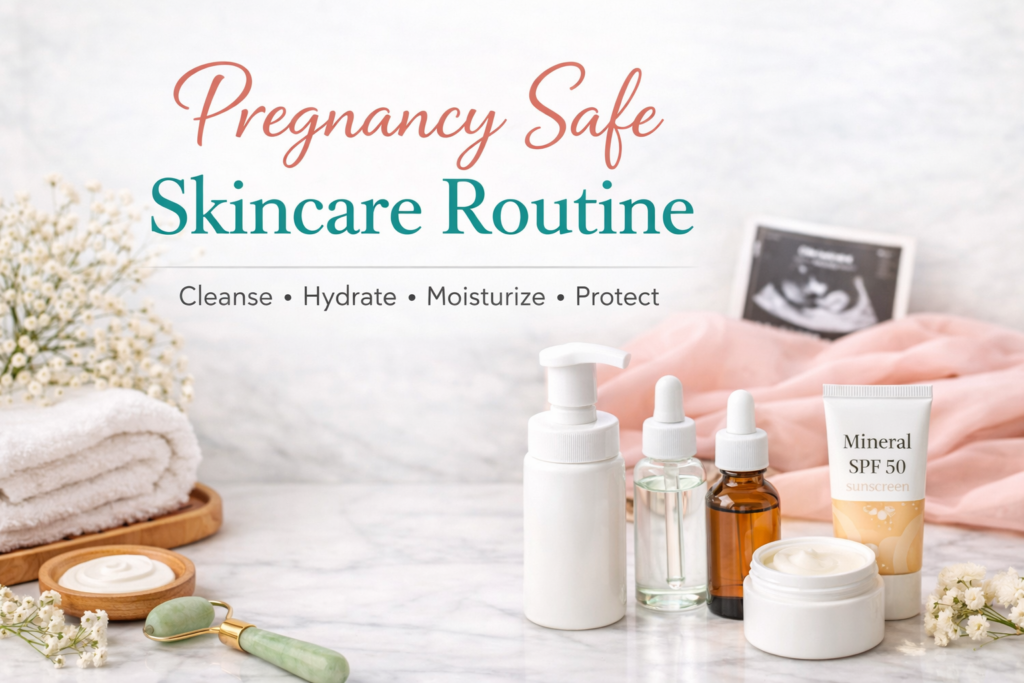
Pregnancy is a beautiful season of life, but it can also be confusing when it comes to skincare. Suddenly ingredients you used for years are no longer recommended, and the internet is full of conflicting advice.
As a mom myself (and a twin mom!), I know how overwhelming it can feel when you are trying to do the safest thing for your body and your baby. During pregnancy, hormones can change your skin in many ways — dryness, acne, pigmentation, and sensitivity are all very common.
The good news? You don’t need a complicated routine. A gentle, pregnancy‑friendly routine can help keep your skin calm, hydrated, and glowing.
In this guide, I’ll walk you through a simple step‑by‑step pregnancy‑safe skincare routine, along with some great product options that are easily available on Amazon.
Why Skincare Changes During Pregnancy
Pregnancy brings a wave of hormonal changes, and your skin often reflects that. Hormones like estrogen and progesterone can affect oil production, sensitivity, and pigmentation — sometimes all at once.
Some common skin changes during pregnancy include:
- Dryness or dehydration due to changes in the skin barrier
- Acne or congestion caused by increased oil production
- Hyperpigmentation (melasma), often called the “pregnancy mask,” triggered by hormonal shifts and sun exposure
- Increased sensitivity, making skin react more easily to products you previously tolerated
Because of these changes, many expecting moms prefer to switch to a pregnancy-safe skincare routine that focuses on gentle, hydrating, and non-irritating ingredients.
Keeping your routine simple and consistent can help support your skin through this transition.
Important Disclaimer & Disclosure
This article is for informational purposes only and reflects personal research, usage, and recommendations. Skincare during pregnancy can be very individual. Always consult your dermatologist or healthcare provider before starting any new skincare products, especially during pregnancy or breastfeeding.
Ingredients like retinoids, hydroquinone, and certain strong acids are commonly advised to be avoided during pregnancy. If you are unsure about any ingredient, it is always best to check with a professional.
Disclosure: This post may contain affiliate links. This means that if you purchase through these links, I may earn a small commission at no additional cost to you.
Step 1: Gentle Cleanser
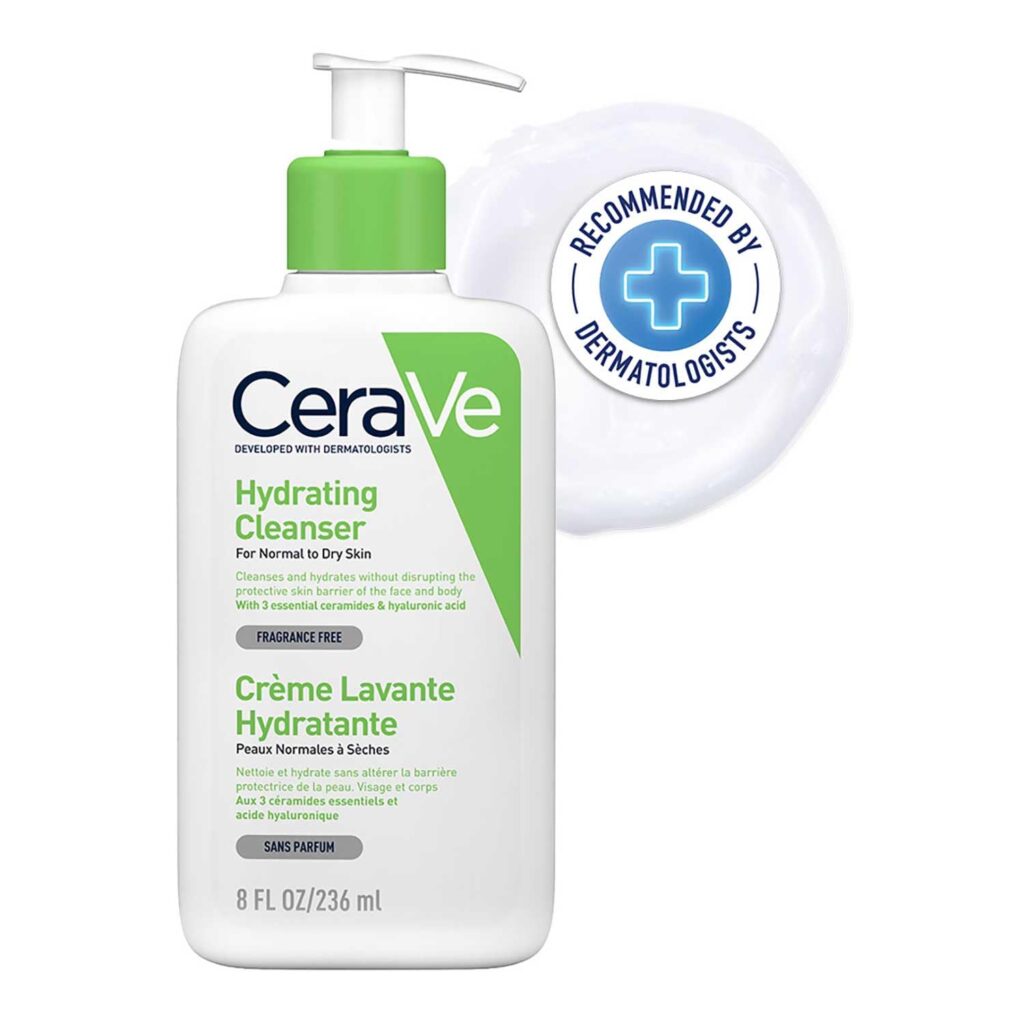
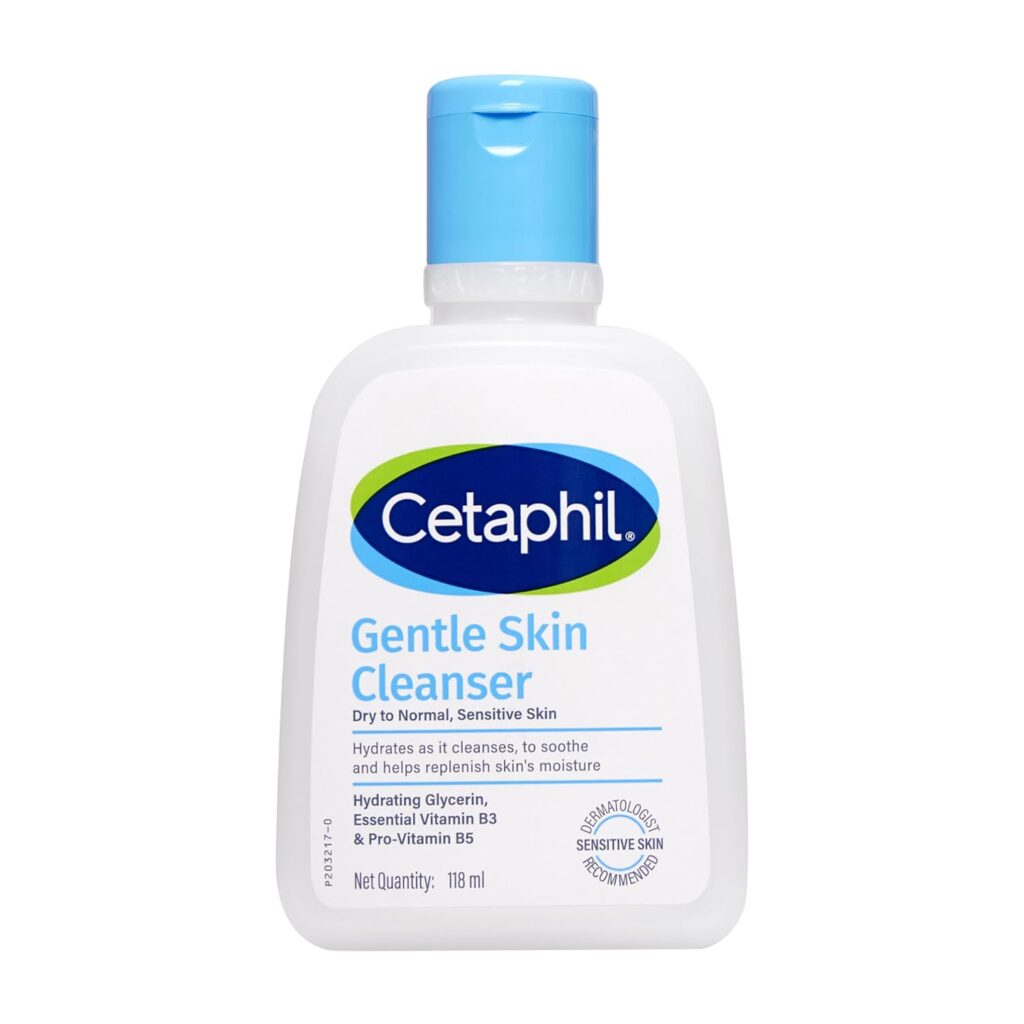
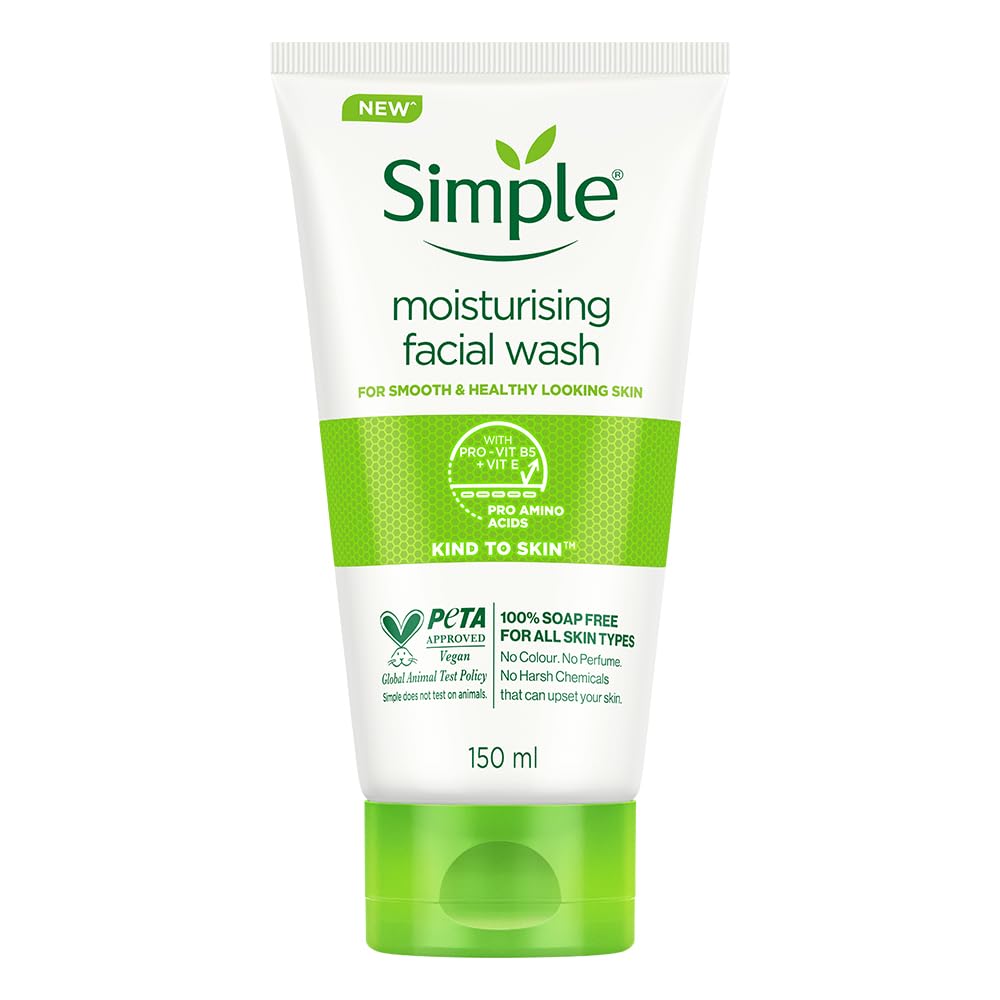
The foundation of any skincare routine is a gentle cleanser. During pregnancy, your skin barrier can become more sensitive, so it is best to avoid harsh foaming cleansers or strong exfoliating washes.
Look for cleansers that are:
- fragrance‑free
- hydrating
- non-stripping
Good Options
- CeraVe Hydrating Facial Cleanser – A very popular gentle cleanser with ceramides and hyaluronic acid that helps maintain the skin barrier. Can personally vouch for it.
- Cetaphil Gentle Skin Cleanser – A classic dermatology favorite that is extremely mild and suitable for sensitive skin. Personal recommendation
- Simple Kind To Skin Moisturizing Face Wash – A lightweight and budget‑friendly cleanser with no harsh chemicals or fragrance.
Tip: Wash your face twice daily — morning and night.
Step 2: Hydrating Serum
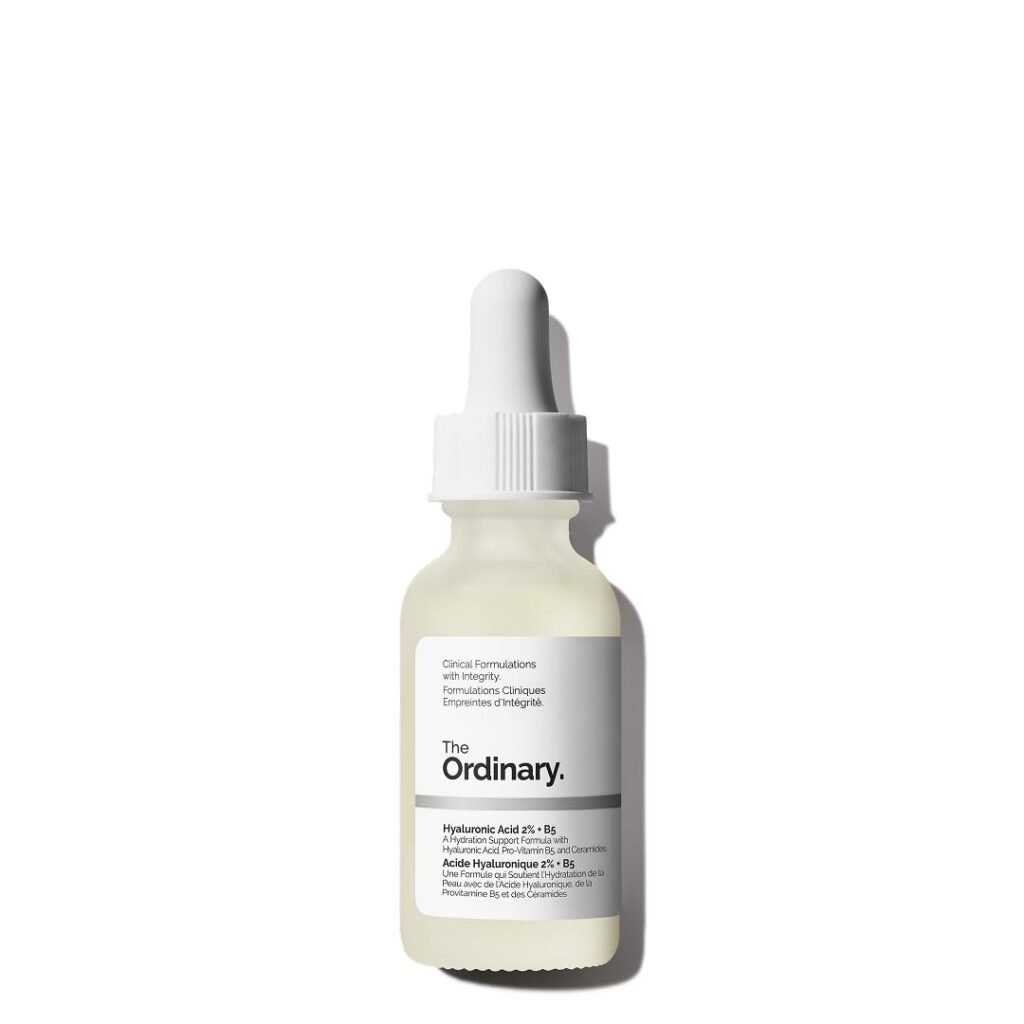
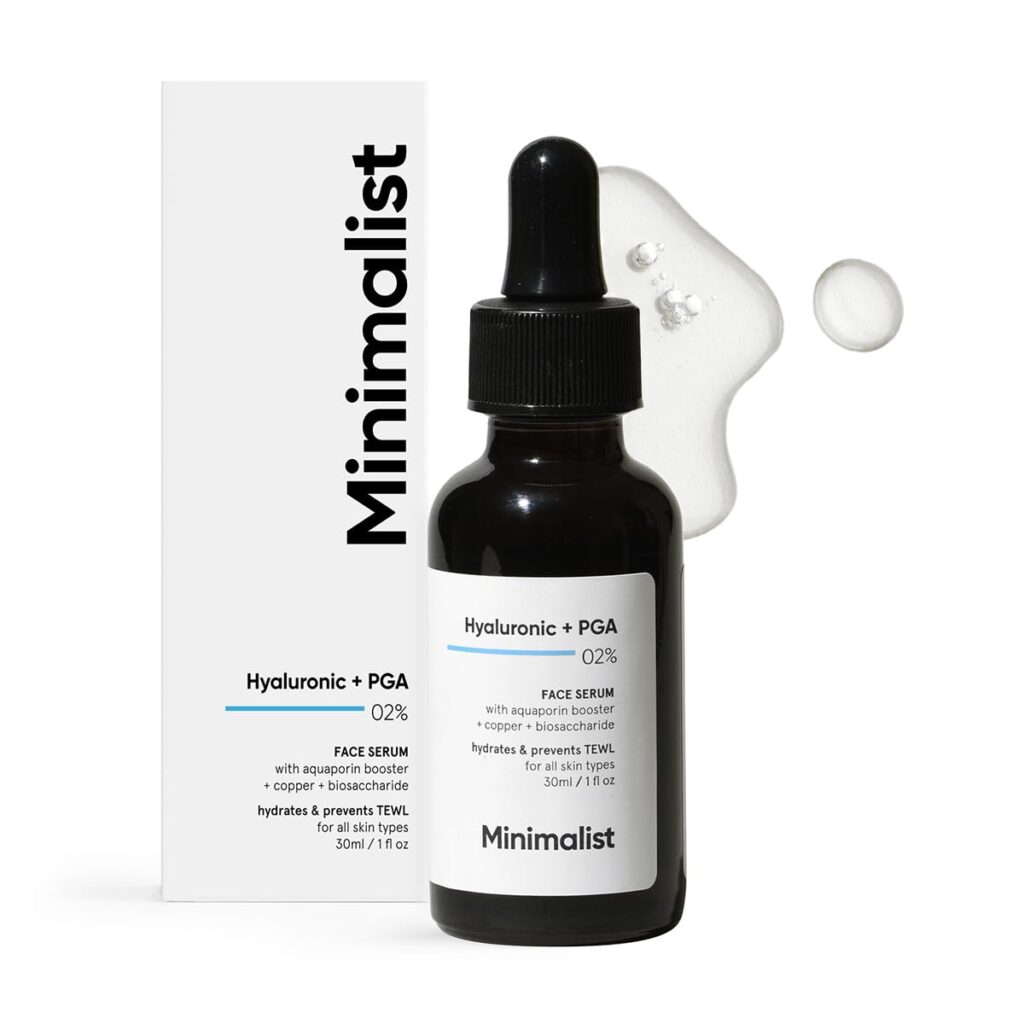
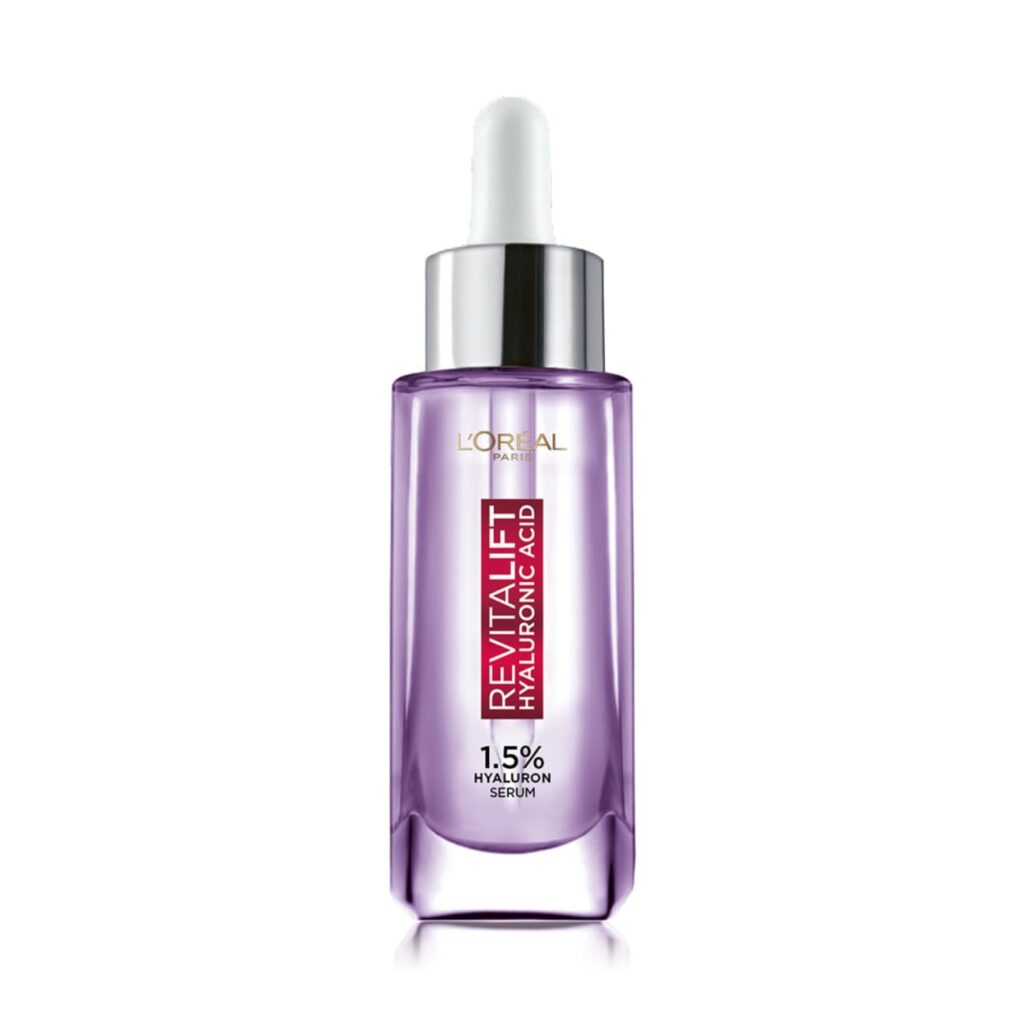
Hormonal changes often make skin feel dehydrated during pregnancy. A hydrating serum can help replenish moisture and keep skin plump.
Hyaluronic acid is widely considered pregnancy‑safe and is excellent for hydration.
Good Options
- The Ordinary Hyaluronic Acid 2% + B5 – A cult‑favorite hydration serum that attracts moisture into the skin.
- Minimalist Hyaluronic Acid Serum – A popular option in India that provides deep hydration without heaviness.
- L’Oreal Revitalift Hyaluronic Acid Serum – A very hydrating serum that helps improve skin smoothness.
Tip: Apply hyaluronic acid on slightly damp skin for best results.
Step 3: Brightening Serum (Vitamin C)
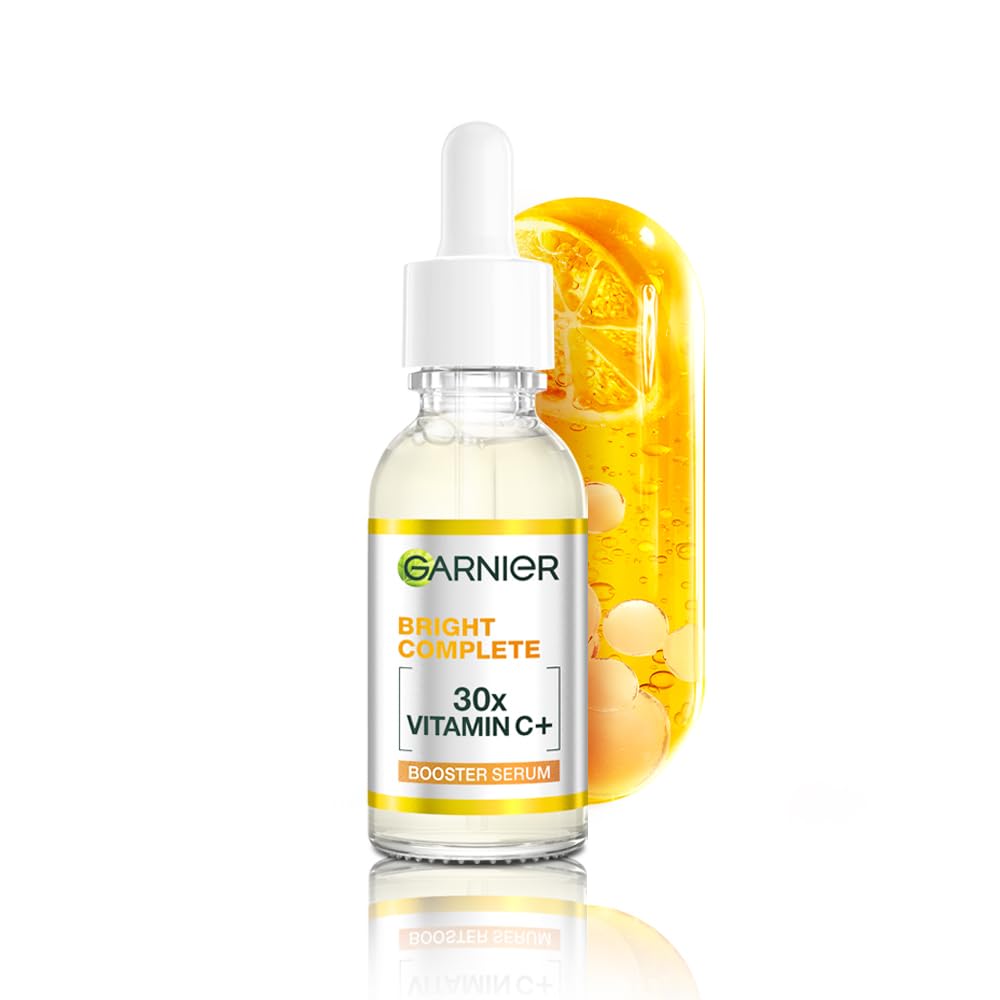
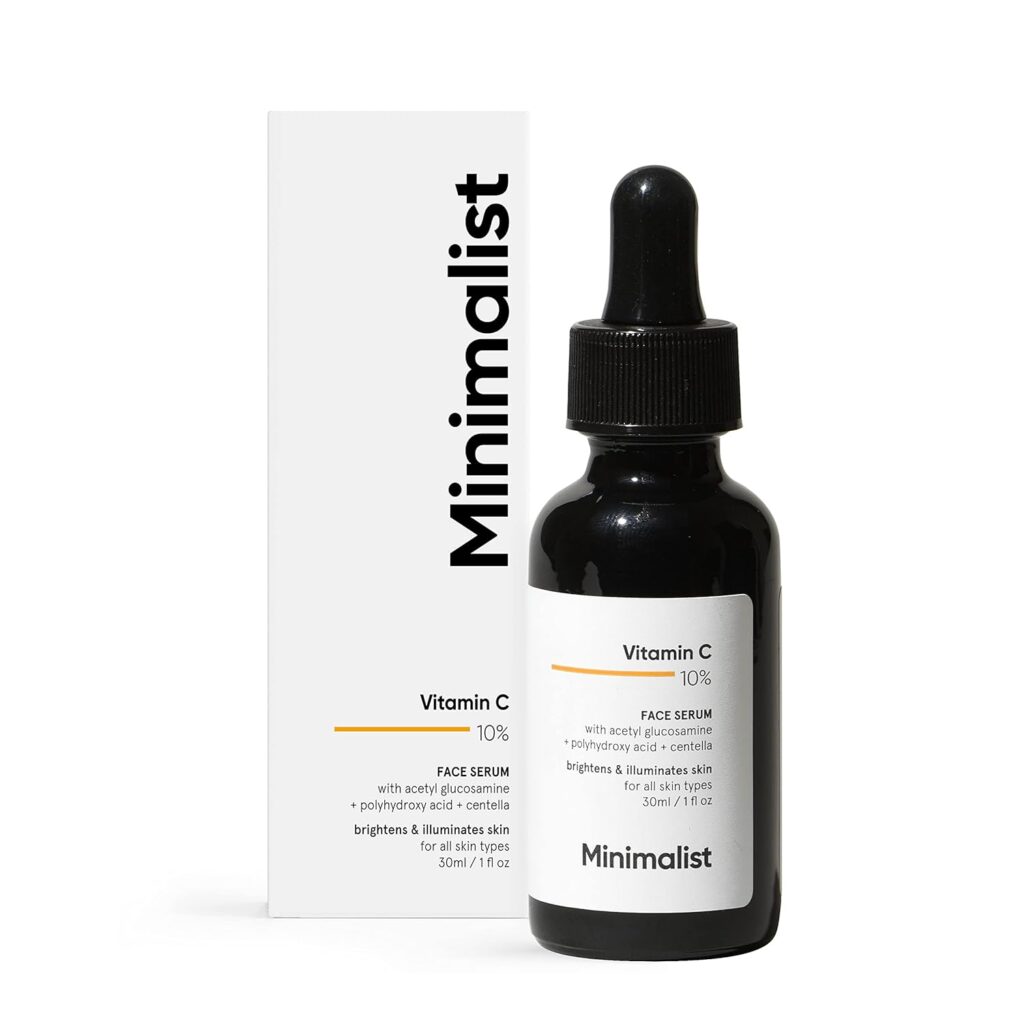
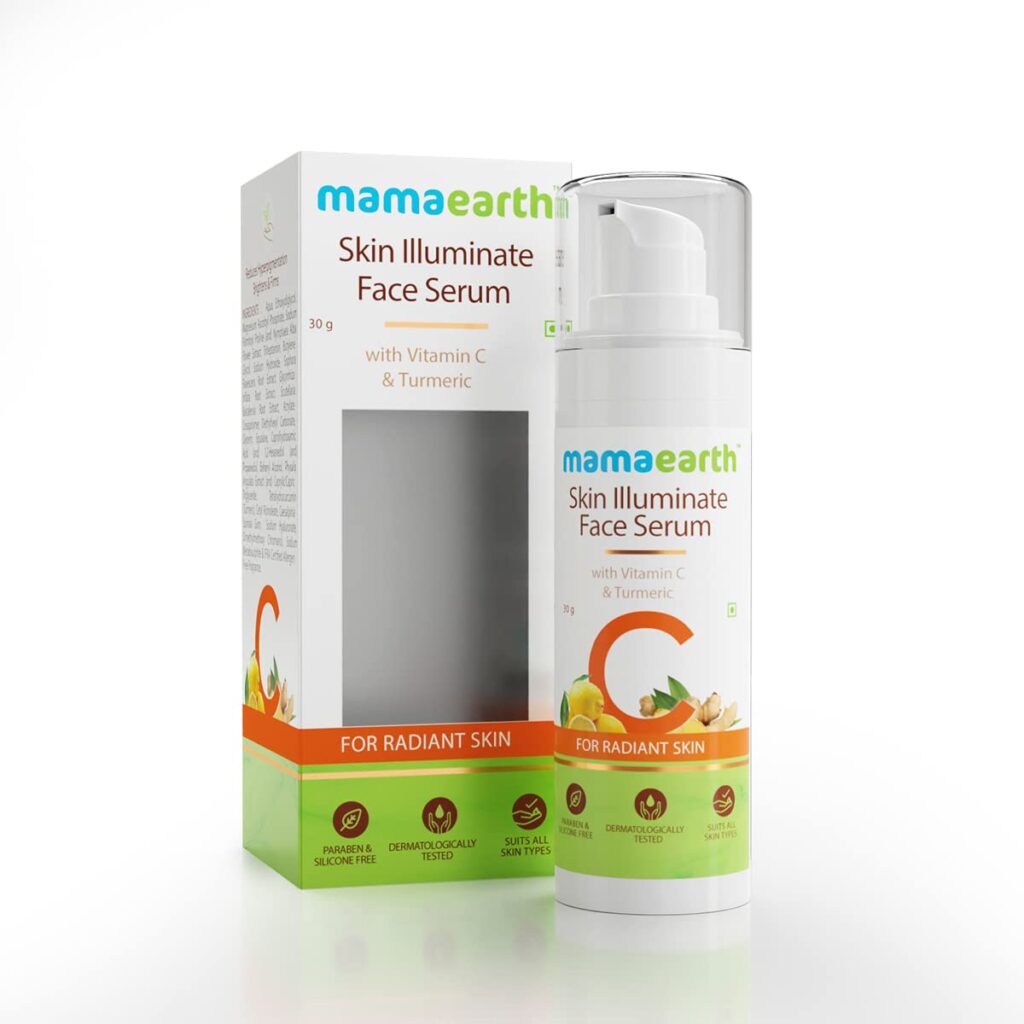
Pregnancy can sometimes cause pigmentation or melasma (often called the “pregnancy mask”). Vitamin C is one of the most popular ingredients used to support brighter and more even‑looking skin.
Vitamin C may also help support collagen production and protect the skin from environmental stress.
Good Options
- Garnier Vitamin C Booster Serum – A beginner‑friendly vitamin C serum that many people enjoy for brightening.
- Minimalist Vitamin C 10% Serum – A stable vitamin C option that is widely loved for improving dull skin.
- Mamaearth Skin Illuminate Vitamin C Serum – A gentle vitamin C option often marketed toward sensitive skin.
Tip: Vitamin C works especially well when used in the morning routine.
Step 4: Moisturizer
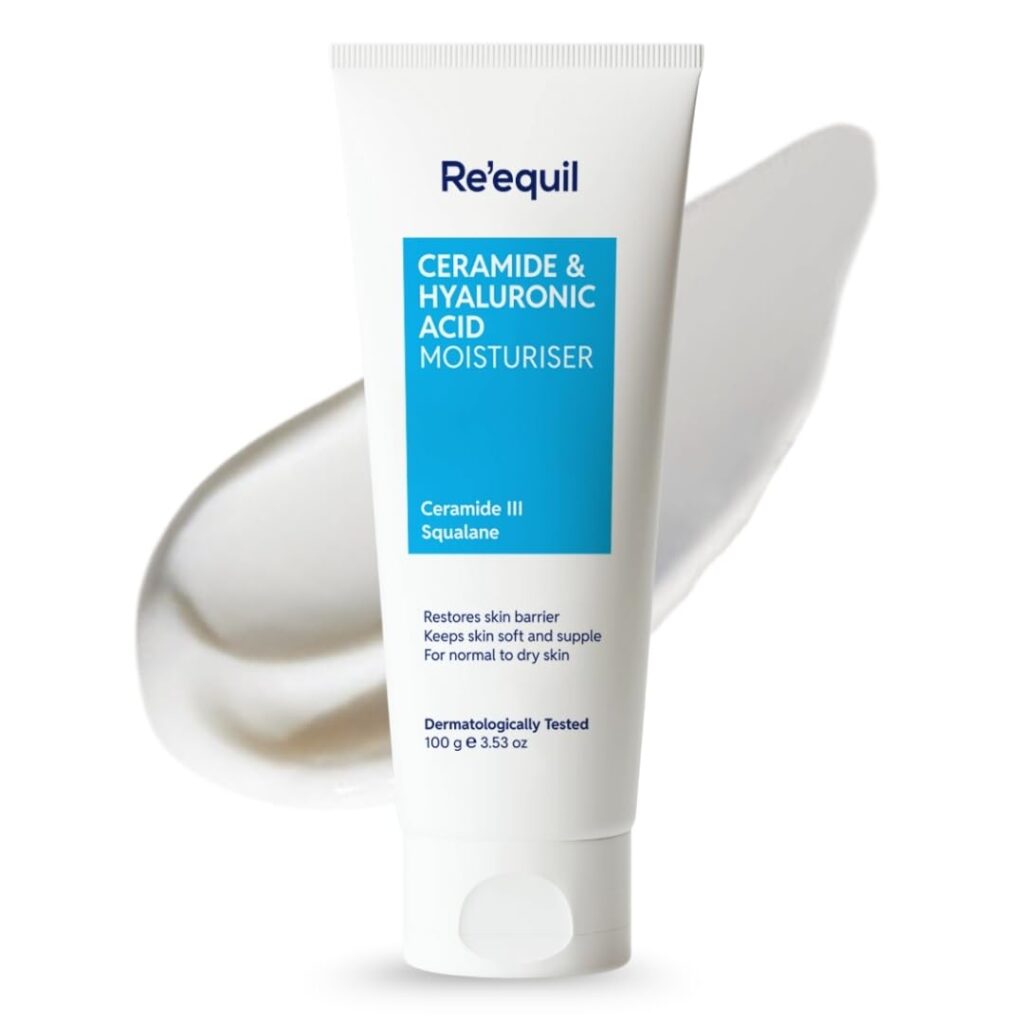
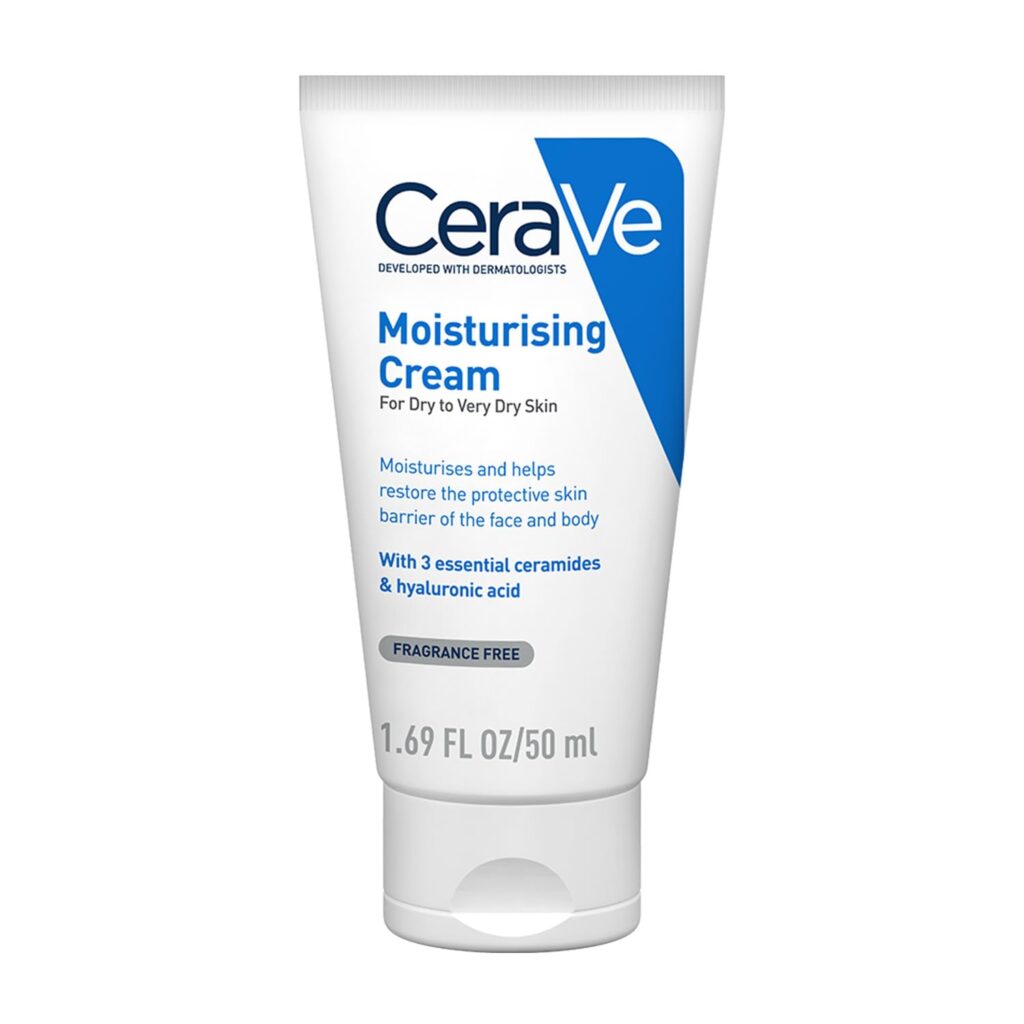
Pregnancy can make skin unpredictable — sometimes oily, sometimes dry, and sometimes both. A barrier‑supporting moisturizer helps keep the skin balanced and comfortable.
Look for ingredients like:
- ceramides
- glycerin
- hyaluronic acid
Good Options
- Re’equil Ceramide & Hyaluronic Acid Moisturizer – A lightweight moisturizer that supports the skin barrier.
- CeraVe Moisturizing Cream – A dermatologist‑recommended cream with ceramides that works well for dry or sensitive skin.
Tip: Apply moisturizer while skin is still slightly damp to lock in hydration.
Step 5: Mineral Sunscreen (Very Important)
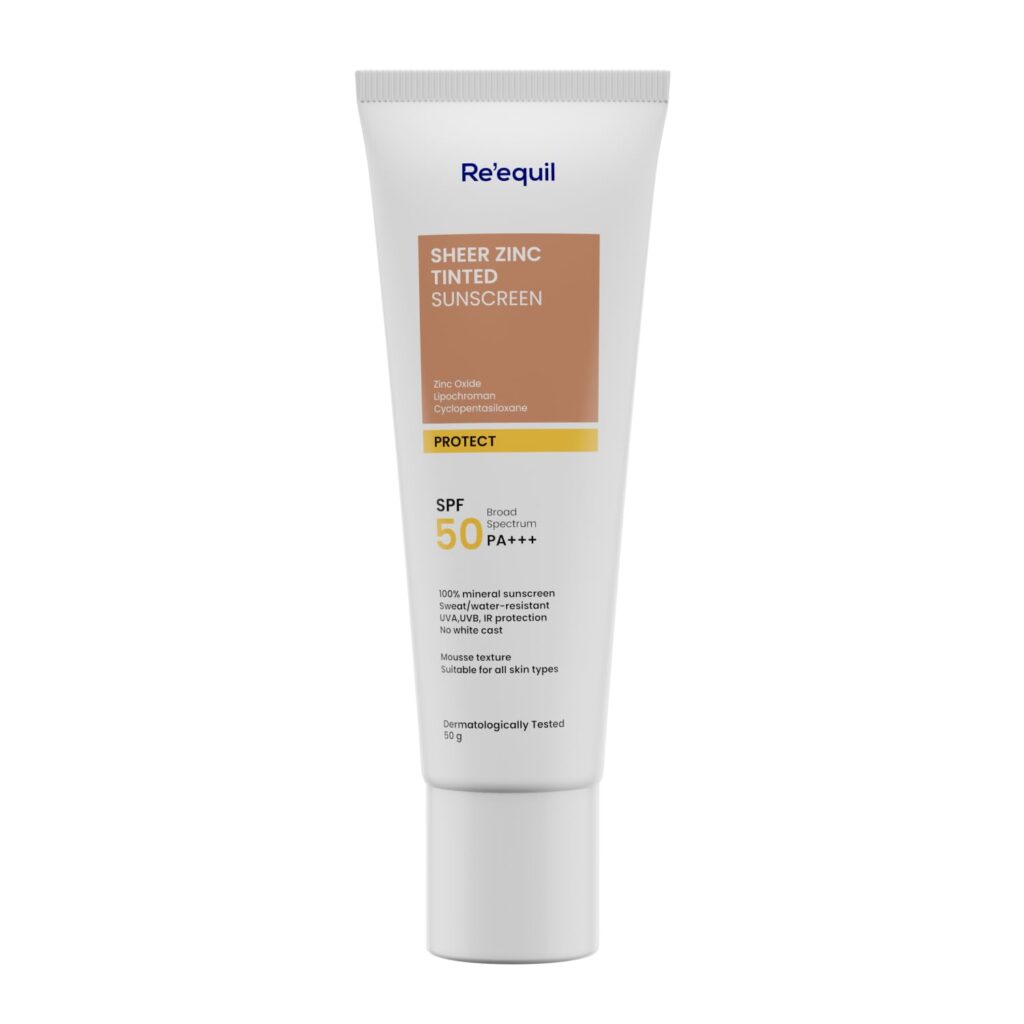
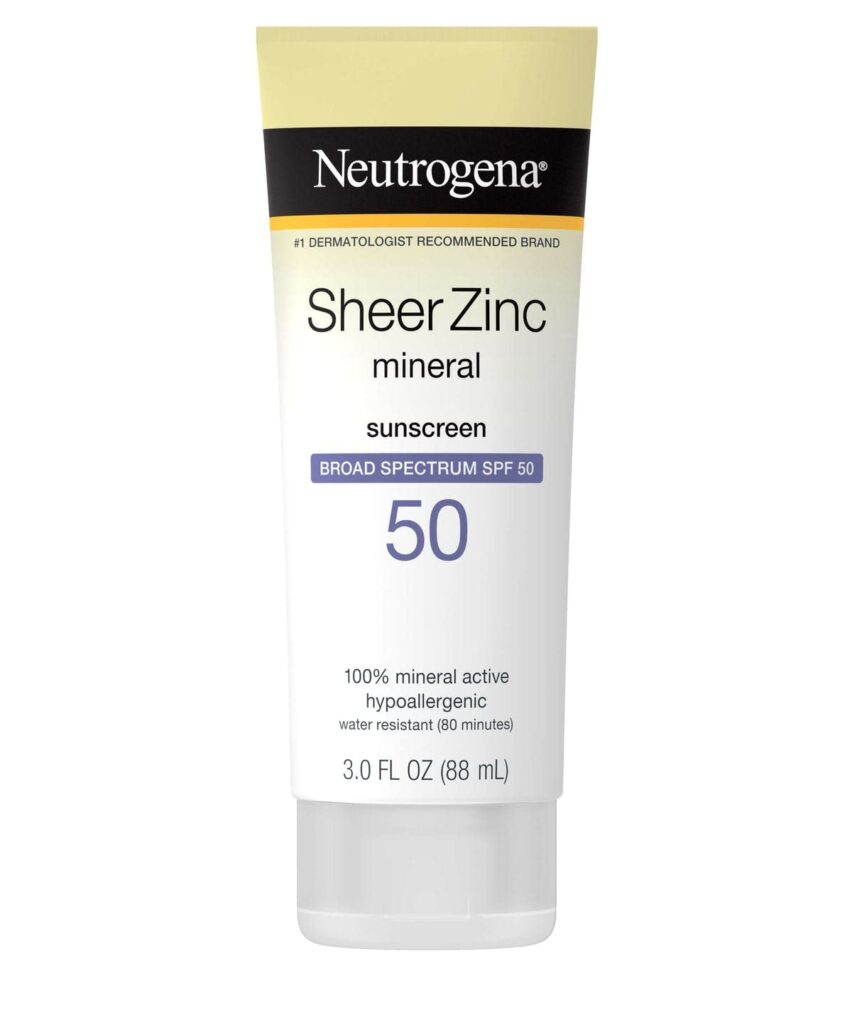
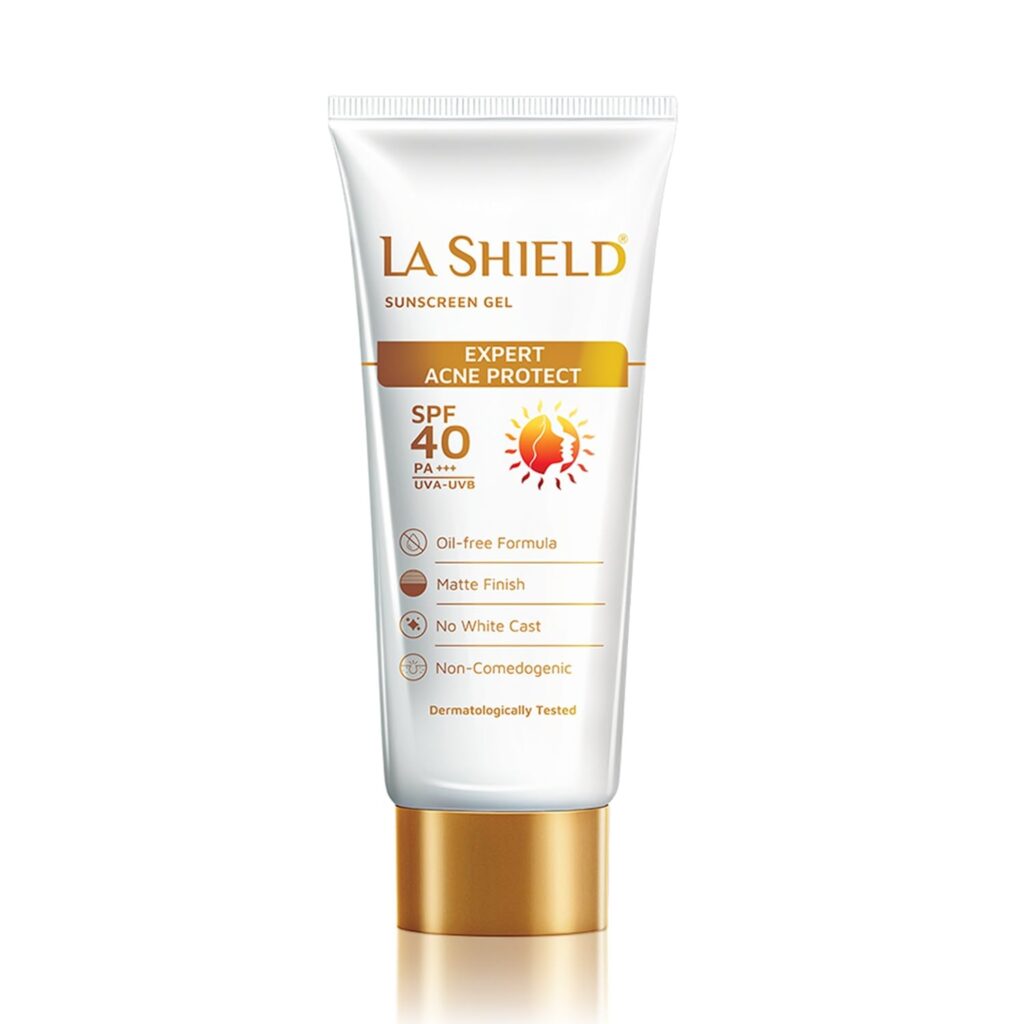
Sunscreen is the most important step in any pregnancy skincare routine.
Hormones can increase the risk of pigmentation and melasma, and sun exposure can make it worse. Dermatologists often recommend mineral sunscreens containing zinc oxide or titanium dioxide during pregnancy.
Good Options
- Re’equil Sheer Zinc Mineral Sunscreen SPF 50 – A well‑loved mineral sunscreen that provides strong sun protection.
- Neutrogena Sheer Zinc Mineral Sunscreen – A fragrance‑free mineral sunscreen with high SPF.
- La Shield Mineral Sunscreen Gel SPF 40 – A popular mineral sunscreen in India that works well for daily wear.
Tip: Apply sunscreen every morning and reapply if you are outdoors for long periods.
Ingredients Often Avoided During Pregnancy
While every situation is different, many dermatologists suggest avoiding the following ingredients during pregnancy:
- Retinoids (retinol, tretinoin, adapalene) – Retinoids (like retinol, tretinoin, and adapalene) are commonly used for acne and anti-aging. However, they are generally avoided during pregnancy because high doses of vitamin A have been linked to potential risks for fetal development.
- Hydroquinone – Hydroquinone is used to treat pigmentation, but it has a high absorption rate into the bloodstream. Because of limited safety data during pregnancy, it is typically recommended to avoid it.
- High‑strength salicylic acid – While small amounts (like in face washes) may sometimes be considered acceptable, high concentrations of salicylic acid (such as peels or strong treatments) are usually avoided as a precaution.
- Certain prescription acne medications – Oral or topical prescription treatments like isotretinoin are strictly avoided during pregnancy due to known risks. Always consult a dermatologist before using any medicated skincare.
- Perfumes in cosmetics – There is a slight chance that it might get absorbed via skin and affect the fetal development.
If you are unsure about any ingredient, it is always best to check with your dermatologist!
Final Thoughts
Pregnancy skincare doesn’t have to be complicated or stressful.
A simple routine with a gentle cleanser, hydrating serum, moisturizer, and mineral sunscreen can go a long way in keeping your skin healthy and comfortable.
Remember — your skin is going through changes, and that’s completely normal. Be gentle with it, keep things simple, and don’t hesitate to consult a professional if you need personalized advice.
And if you’re a fellow mom navigating pregnancy (or chasing toddlers around the house like I often am!), a simple routine you can stick to is sometimes the best routine of all.
Your skin — and your peace of mind — will thank you.